


Pushrods and Lifters Built for Harley Valve Train Stability
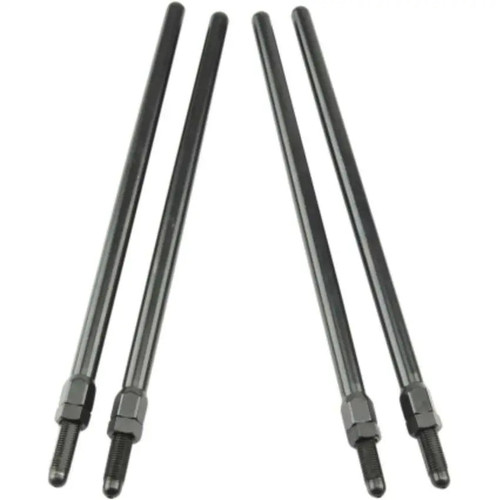
Harley engines live and die by valve timing control. That’s where Harley pushrods and Harley lifters quietly do the heavy work. Pushrods transfer cam motion directly to the rockers, while lifters manage oil pressure and movement consistency. Riders working with Twin Cam pushrods or V-Twin pushrods usually focus on strength first, because flex steals power and creates noise. Strong materials matter even more when heat rises and RPM stays high. That’s why high-strength pushrod Harley setups provided by TMF Cycles remain popular for performance-focused builds. For engines that need fine tuning, adjustable pushrods Harley helps dial in preload without removing rocker boxes.
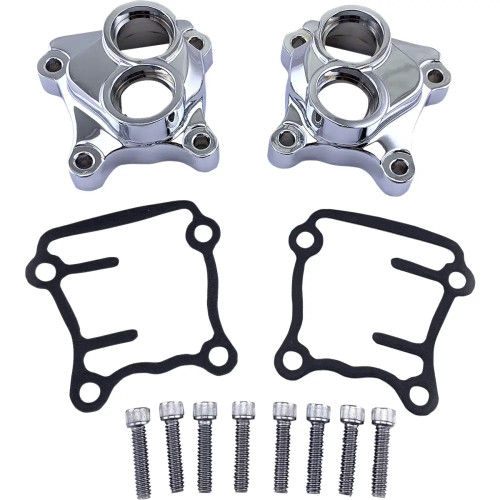
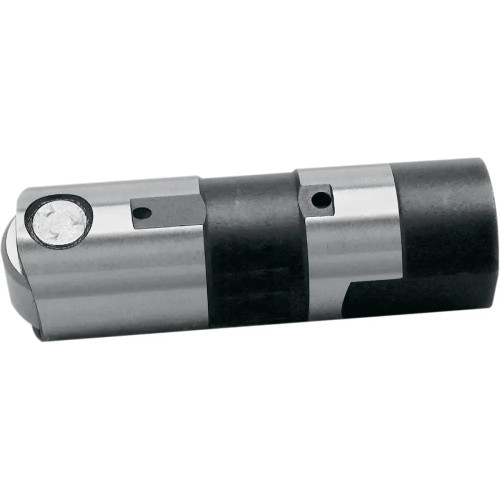
Lifters deserve equal attention. Modern builds often rely on hydraulic lifters Harley for smooth operation, while high-RPM riders look toward anti-pump lifters Harley designs to avoid pressure collapse. Options like Jims HydroSolid Lifters behave like hydraulics until around 5500 rpm, then convert into solid operation, unlocking extra usable horsepower and preventing pump-up. These require adjustable pushrods but reward riders chasing consistency. Supporting parts matter too. S&S Tappet Cuffs replace weak plastic guides with billet aluminum, improving alignment during stress. OEM-style protection comes from Replacement Tappet Covers, available in chrome or black, supplied with bolts and gaskets. Together, these motorcycle pushrods and lifters form reliable motorcycle valve train components that handle real-world riding demands, including Harley M8 lifters, roller lifters V-Twin, lifter blocks Harley, and compatible pushrod tube kits.
FAQs
Why do adjustable pushrods matter for performance builds?
They allow precise lifter preload settings without major disassembly, improving valve timing accuracy.
How do HydroSolid lifters differ from standard lifters?
They act hydraulically at lower rpm, then turn solid at higher rpm, preventing pump-up and adding power.
Are tappet cuffs necessary during cam upgrades?
They stabilize tappets under stress and prevent twisting, especially during high-lift cam changes.
Do replacement tappet covers affect engine performance?
They protect lifter components and maintain oil control, supporting long-term reliability rather than power gains.